

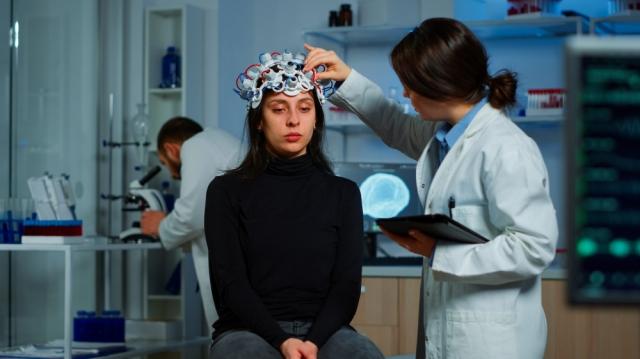
A recent study published in the Journal of Obstetrics and Gynecology (March 2025) explored how the Neuro Emotional Technique (NET)—a mind-body therapeutic approach—may influence the brain and improve symptoms for individuals living with chronic pelvic pain (CPP).
Chronic pelvic pain remains a persistent and often debilitating condition that affects quality of life for many women. NET aims to address the emotional and neurological components of pain by helping patients process stress-related responses tied to discomfort.
In this randomized controlled trial, researchers evaluated functional connectivity (FC) changes in the brain using resting-state fMRI. The study included 26 participants with CPP, assigned either to a NET intervention group or a waitlist control group. Before and after the study period, participants completed brain imaging along with assessments for pain levels, mood, anxiety, and overall quality of life.
Findings showed that individuals who received NET experienced meaningful reductions in pain intensity and pain interference, as well as improvements in anxiety and depression. Brain imaging results revealed decreased FC in key regions—including the amygdala, cerebellum, and postcentral gyrus—in the NET group compared to controls. Importantly, these neurological changes were closely linked with clinical improvements.
Overall, the study provides early evidence that NET may help reduce pain and emotional distress in women with CPP by influencing brain connectivity patterns, particularly in regions associated with emotional processing and sensory perception.
For readers interested in mind-body approaches similar to those explored in this study, Holistic Houston Doctors offers support through their Neuromodulation Technique in Houston. Their team focuses on helping individuals address the emotional and neurological components of chronic pain, much like the mechanisms highlighted in recent research. They take a whole-person approach that prioritizes well-being, resilience, and long-term healing. To learn how their services may complement your wellness journey, explore their care options today.