

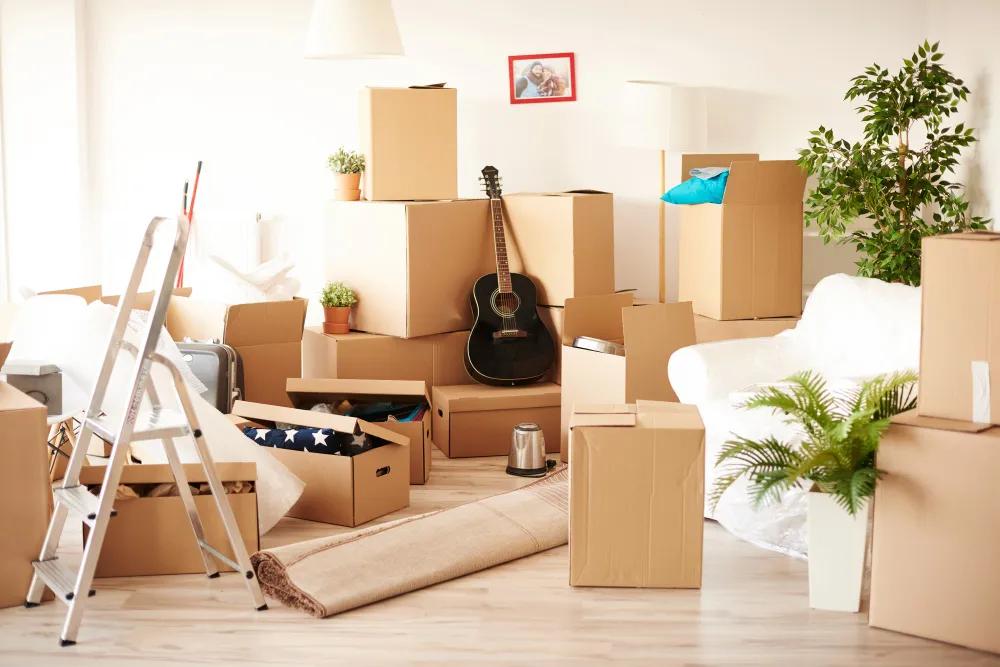
Packing an entire house
Packing an entire house is one of the most time-consuming parts of any move. Without a clear strategy, it can quickly become overwhelming, leading to misplaced items, damaged belongings, and unnecessary stress on moving day. Professional movers rely on proven packing methods that maximize efficiency while keeping items organized and protected. By following these techniques, homeowners can simplify the packing process and enjoy a smoother relocation.
Create a Packing Plan
Successful packing begins with a plan rather than immediately filling boxes. Start by creating a timeline that breaks the work into manageable tasks over several days or weeks. Packing one room at a time helps maintain organization and prevents important items from being scattered throughout multiple boxes.
A checklist can also help track completed rooms and ensure nothing is forgotten before moving day.
Gather the Right Packing Supplies
Using quality packing materials is essential for protecting belongings during transportation. Weak or damaged boxes increase the risk of items shifting or breaking while in transit.
Common packing supplies include:
Sturdy moving boxes in various sizes
Heavy-duty packing tape
Bubble wrap
Packing paper
Stretch wrap
Furniture blankets
Permanent markers
Plastic storage bins for important documents
Having enough supplies before packing begins helps avoid interruptions.
Declutter Before You Pack
Packing unnecessary belongings only adds time, labor, and moving expenses. Before placing items into boxes, sort everything into categories such as:
Keep
Donate
Sell
Recycle
Discard
Reducing the number of items being moved makes unpacking faster and creates a more organized new home.
Pack One Room at a Time
Professional movers rarely pack randomly throughout a home. Instead, they complete one room before moving to the next.
Begin with areas that are used less frequently, including:
Guest bedrooms
Storage closets
Seasonal decorations
Garages
Basements
Attics
Daily essentials such as kitchen items, toiletries, and clothing should be packed closer to moving day.
Label Every Box Clearly
Proper labeling saves significant time during unloading and unpacking.
Each box should include:
Destination room
General contents
Whether the items are fragile
A box number if using an inventory list
Clear labeling helps movers place boxes directly into the correct rooms, reducing unnecessary lifting later.
Protect Fragile Items Properly
Glassware, dishes, mirrors, electronics, artwork, and collectibles require extra protection during transport.
Professionals recommend:
Wrapping each fragile item individually
Filling empty spaces inside boxes with packing paper
Using dish packs for kitchen items
Packing heavier items at the bottom
Avoiding overfilled boxes
Boxes containing delicate items should always be marked as "Fragile."
Don't Overpack Boxes
One common mistake is making boxes too heavy. Overloaded boxes are more likely to break and are difficult to lift safely.
A better approach is to:
Use small boxes for books
Medium boxes for kitchen items
Large boxes for lightweight belongings like pillows, linens, and clothing
Keeping boxes at a manageable weight helps prevent injuries and damaged belongings.
Prepare Furniture for Moving
Large furniture should be prepared before moving day to save time.
Professional packing methods include:
Disassembling beds and tables
Removing shelves from cabinets
Wrapping furniture with moving blankets
Protecting corners with padding
Securing loose parts in labeled bags
Keeping hardware with the corresponding furniture makes reassembly much easier.
Pack an Essentials Box
An essentials box should remain with the homeowner rather than being loaded deep inside the moving truck.
Useful items include:
Medications
Phone chargers
Important documents
Toiletries
Basic kitchen supplies
Snacks
Water
A few changes of clothes
Having these items readily available makes the first night in the new home much more comfortable.
Consider Professional Packing Services
Packing an entire home can take several days, especially for larger households. Professional packing services help reduce the workload while ensuring belongings are packed securely using industry-approved materials and techniques.
Experienced movers know how to protect delicate items, maximize box space, and organize the move efficiently, allowing homeowners to focus on other important aspects of the relocation.
Final Walkthrough Before Moving Day
Before locking the door for the last time, complete a final inspection of every room.
Check:
Closets
Cabinets
Drawers
Garage shelves
Storage areas
Attic
Basement
Outdoor spaces
Confirming that nothing has been left behind helps avoid unnecessary return trips.
Conclusion
Packing an entire house like a professional is less about speed and more about preparation, organization, and using the right techniques. By creating a packing plan, decluttering, labeling boxes carefully, protecting fragile belongings, and preparing furniture in advance, homeowners can make moving day significantly less stressful.
For larger moves or busy schedules, professional packing assistance can provide added convenience while helping ensure every item arrives safely and ready for unpacking in the new home.
For a smooth and organized relocation, 911 Houston Movers provides reliable solutions designed to simplify every stage of the moving process. Their professional team offers efficient moving services Houston residents can depend on for careful packing, secure transportation, and stress-free transitions. Whether relocating a home, apartment, or office, they handle belongings with attention and care. Choose experienced movers who make every move easier from start to finish. Reach out to them today to plan a hassle-free relocation.